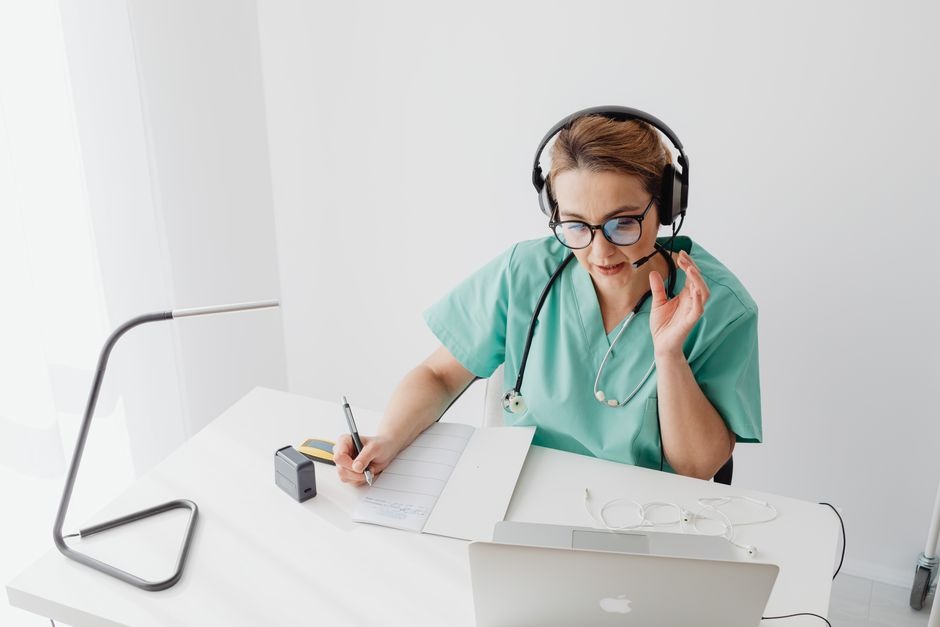
If you’ve ever sat in a waiting room longer than expected, there’s a good chance paperwork played a role. In healthcare, documentation eats up a surprising amount of time, and clinicians often spend hours typing notes after appointments end. Voice technology is starting to change that routine. You’re seeing faster workflows, fewer repetitive tasks, and a growing push to make charting feel less like a second job and more like part of patient care.
How voice tools fit into modern healthcare workflows
Voice-enabled documentation tools are designed to capture spoken language and convert it into structured clinical text. Instead of typing every detail manually, a clinician can speak naturally during or after a visit and generate notes much faster. In practical terms, that can mean quicker chart completion, smoother handoffs, and less time spent clicking through templates.
Not all tools work the same way, though. Some focus on basic speech-to-text, while others include formatting support, speaker recognition, and workflow automation. If you’re evaluating medical dictation software, it helps to look beyond speed alone. Accuracy, specialty-specific terminology, and compatibility with EHR systems matter just as much. A tool that handles common medical jargon well can save time. One that stumbles over drug names or abbreviations can create a cleanup job nobody asked for.
Why clinical documentation became such a bottleneck
Healthcare runs on records. Every symptom, medication update, diagnosis, and follow-up plan needs to be documented clearly. That sounds reasonable until you picture a busy physician seeing dozens of patients in one day while also handling compliance standards, billing details, and electronic health record entries.
You end up with a workflow that’s accurate in theory but exhausting in practice. Many clinicians spend evenings finishing notes, a habit often called “pajama time” in the industry. Not exactly the glamorous side of medicine. The issue isn’t just inconvenience either. Slow documentation can contribute to burnout, delay handoffs, and reduce the amount of face-to-face time you get during appointments. When note-taking becomes the loudest part of the room, patient interaction tends to lose ground.
What clinicians and practice managers should actually look for
Choosing a documentation tool isn’t only a tech decision. It’s an operational one. You need something that fits the rhythm of a clinic, hospital department, or specialty practice without creating extra friction. A shiny interface won’t help much if the software struggles during real patient encounters.
A strong option usually includes:
– High recognition accuracy for medical terminology
– Support for different accents and speaking styles
– Secure handling of protected health information
– Integration with major EHR platforms
– Fast editing and review features
– Flexible use across mobile and desktop devices
You should also think about who will use it most. A solo provider may care about simplicity and speed. A larger organization may need user permissions, admin controls, and audit trails. Real-world performance matters more than demo-day polish. Healthcare tech has a talent for looking perfect in presentations and chaotic by Tuesday afternoon.
The patient experience changes more than you might expect
Better documentation tools affect more than clinician workloads. They can also change how patients experience a visit. When a provider isn’t buried in a keyboard, the interaction often feels more direct and attentive. Eye contact improves. Conversations flow more naturally. Patients tend to notice when a clinician is listening instead of typing through half the appointment.
There’s also a downstream effect. Faster documentation can support quicker referrals, cleaner follow-up instructions, and more accurate records for future visits. If you’ve ever had to repeat your medical history three times in one week, you already know how messy fragmented documentation can get. Voice technology won’t solve every communication problem in healthcare, but it can reduce some of the friction. In a system loaded with delays and admin drag, even modest gains can feel surprisingly meaningful.
What adoption challenges still need attention
No tool is magic, and voice technology still comes with tradeoffs. Background noise, overlapping speech, and specialty-heavy terminology can affect performance. Emergency departments, shared clinics, and fast-moving inpatient settings can be especially tricky. You also need training. Even great software tends to underperform when users aren’t taught how to speak clearly, review output efficiently, or build it into daily workflows.
Privacy and compliance sit high on the checklist too. Healthcare organizations need confidence that any voice-based system handles sensitive data securely and aligns with legal requirements. Then there’s culture. Some clinicians adopt new tools quickly, while others would rather wrestle with a keyboard they already distrust. Implementation works best when leadership treats it as a workflow improvement project, not just a software rollout. Technology can lighten the load, but only if the people using it trust the system.
Where clinical documentation is headed next
The bigger shift isn’t just from typing to talking. It’s from manual documentation toward more intelligent clinical support. Voice tools are increasingly part of a broader ecosystem that includes ambient listening, automated summaries, and structured note generation. You’re moving toward systems that don’t just hear words but help organize them in clinically useful ways.
That opens the door to faster charting, more consistent records, and less admin fatigue across care teams. It also raises expectations. Clinicians and healthcare leaders now want tools that save time without sacrificing precision. Fair ask. The future of documentation will likely depend on products that respect how medicine actually works: fast, detail-heavy, and rarely quiet. If those systems continue to improve, you may see a healthcare environment where documentation supports care in the background instead of constantly interrupting it in the foreground.