
Maxthon Browser Review: Features, Privacy, and What to Check Before You Install
Maxthon MX5 stood out for bundling tools such as password storage, page saving, screen capture, and cloud syncing into one browser. That all-in-one approach could be useful for people who research, write, and browse across multiple devices—but the original MX5 review dates back to 2016, and its performance comparisons and service claims should not be treated as current benchmarks.
Below, we revisit the features described in the original review, explain what they might offer in practice, and outline how to evaluate Maxthon today. Before installing any browser, check that its current version is supported on your operating system and review its privacy, security, and update information.

Why Consider a Different Web Browser?
Many people stick with the browser that came with their computer or phone. But trying another browser can make sense when its tools better fit the way you work. Browser choice can affect everyday tasks such as organizing research, managing saved logins, syncing bookmarks, or limiting distractions.
For a broader overview of the settings that shape how a browser works, see What are the Browser Configurations?
- Separate work and personal browsing: A second browser can help keep research sessions, accounts, and saved pages apart.
- Collect useful material: Page-saving or capture tools can make it easier to gather references while researching an article or project.
- Keep extensions manageable: Built-in tools may reduce the need for add-ons, though extensions are not automatically the cause of browser crashes. Browser stability depends on the browser, extensions, and device.
- Browse across devices: Sync can be convenient, but it depends on the service, account settings, supported platforms, and the provider’s current policies.
Getting Started with Maxthon
The original MX5 review described a straightforward setup process: install the browser, import bookmarks, and sign in to a Maxthon account. These are common steps in many browsers, but the exact options may differ in current releases. Confirm that you are downloading the software from an official, trustworthy source, and check the available platform support before creating an account.
- Download a supported version from an official source, if one is currently offered for your device.
- Review the installer permissions and the browser’s privacy and security information.
- Import bookmarks only if you want to transfer them. You can also start with a clean profile.
- Turn on sync only after reviewing what data is uploaded and how you can secure or remove it.
Browser performance depends on more than the product name. The device, operating system, open tabs, extensions, network, and websites being tested all matter. Rather than relying on an old claim that one browser is “blazing fast,” compare current versions using your own typical tasks. The browser’s task manager, where available, can also help identify a tab or extension using unusually high memory or CPU.
Maxthon MX5 Features Described in the Original Review
Browsing gestures
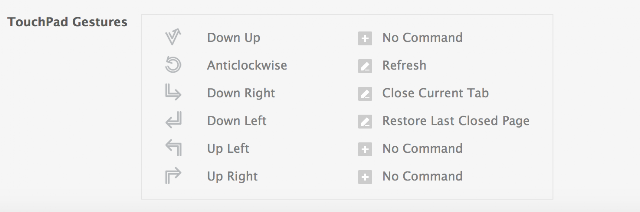
The review highlighted touchpad and mouse gestures for actions such as navigating between pages. Gestures can be handy when you use them often, but they are a matter of preference. Try them with nonessential browsing first, and check whether they can be customized or disabled in the version you install.
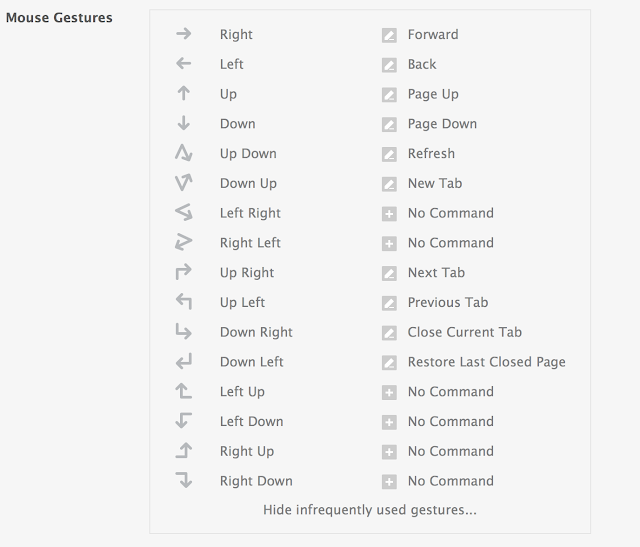
The article also showed mouse gestures for people using a mouse. If gestures are unfamiliar, learn the basic commands gradually so you do not trigger an action by accident.
Password storage with Passkeeper
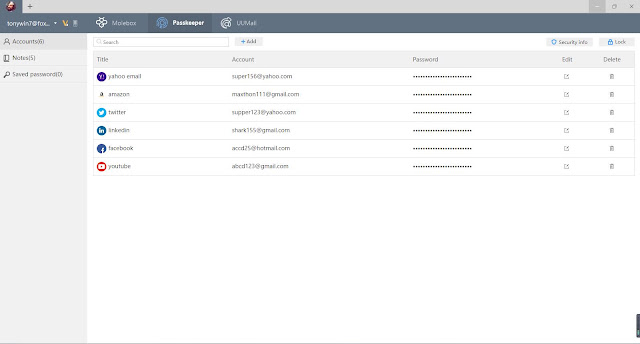
The original review described Passkeeper as MX5’s built-in password manager. Password storage can save time, but do not assume that an older description of a feature or its price reflects current availability. Check the current product documentation for supported devices, sync behavior, encryption details, account recovery, and export options.
As a general security practice, use a unique, strong password for each account and protect your browser account with a strong sign-in method. For current password-manager comparisons, verify the provider’s own documentation rather than relying on historical feature or subscription comparisons.
Cloud storage and browser syncing
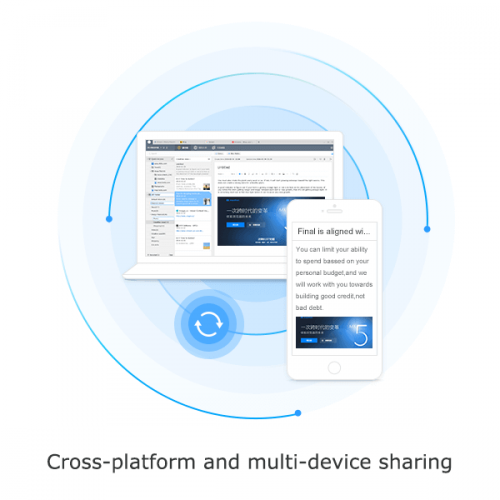
The review described a personal cloud for information such as browsing history, favorites, and downloads. Sync can make it easier to continue a task on another device. Before enabling it, check precisely which data is included, whether sync can be paused, and how to delete information from your account.
For example, someone researching a topic on a desktop might save a page and later open it on a phone. That workflow is convenient only if both devices are supported and the saved data is handled in a way the user is comfortable with. Cloud services and platform support can change, so confirm current details before depending on them.
Infobox for saved pages

MX5’s Infobox was presented as a way to save favorite pages and other web content in the cloud. This kind of tool can help organize reading lists and research references. If you use a similar feature today, check whether it saves a link, a snapshot, or the page contents; those options have different storage and privacy implications.
UUMail and email aliases
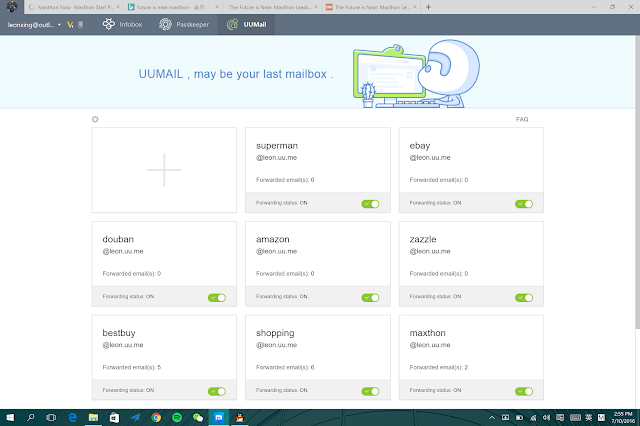
The review described UUMail as a service for using email aliases that route messages to one mailbox. An alias can help separate sign-ups or identify which service sent unwanted messages. Do not assume the feature is available now: check current service status, terms, and account protections before using an alias for important accounts.
Screen capture and extensions
The article also described a built-in screen-capture feature for collecting visual references. When capturing a page, take care not to include private information, account details, or other people’s personal data in an image you plan to share.
Extensions can add useful functions, but every add-on deserves a quick review. Check its publisher, requested permissions, update history, and privacy information. For security-focused browser add-ons, see Top Browser Extensions for Ethical Hacking. Install only tools you need, and remove them when they are no longer useful.
What to Verify Before Choosing Maxthon
The MX5 material reviewed here described a beta release and made comparisons with other browsers at the time. Those statements are historical, not current recommendations. Browser availability, product features, security updates, and service terms can change substantially over time.
- Check whether the browser is actively maintained and receives security updates.
- Confirm support for your operating system and device before installing.
- Read the current privacy policy and understand what data sync or cloud services collect.
- Compare performance using the websites and tasks you actually use.
- Review account recovery, password export, and data-deletion options before relying on cloud features.
If you are comparing browsers, consider your priorities—privacy, compatibility, accessibility, sync, and ease of use—rather than assuming one browser is best for everyone. You may also find it useful to read UC Browser – The New Browser That Can Beat Chrome, Firefox, and Opera as another historical browser comparison, while checking current product facts separately.
Conclusion
Maxthon MX5’s original appeal was its collection of built-in tools for saving pages, managing passwords, capturing screens, and working across devices. Those ideas can still help define what to look for in a browser, but a review from 2016 cannot confirm today’s speed, availability, security, or feature set. Verify current support and privacy details before installing, then test the browser with your own everyday tasks. The best choice is the one that remains maintained, works reliably on your devices, and fits your needs without asking you to compromise on security.