

A Practical Guide to Choosing a C Programming Book
Learning C from a good book can help you build a lasting understanding of programming fundamentals, from variables and control flow to pointers and memory management. The best C programming books are not all aimed at the same reader, though: some gently introduce programming, while others are more useful once you already know the basics.
Below are five widely used titles, with their appropriate level and strengths. Editions matter, so this guide identifies the edition shown for each book and notes where a title is best treated as a classic reference rather than a current guide to every feature of modern C.

Why learn C?
C is a widely used, general-purpose language created by Dennis Ritchie at Bell Laboratories in the early 1970s. It gives programmers close control over memory and system resources, which makes it useful in areas such as operating systems, embedded software, compilers, and performance-sensitive applications. It is also a valuable way to learn how programming concepts work beneath the abstractions of higher-level languages.
C is not the right first language for everyone: manual memory management and pointers can make it challenging. But if you want to understand those topics and are ready to practice, a well-matched book can provide a structured route from first steps to more advanced ideas. Read more about why learn C.
Best C programming books by experience level
1. The C Programming Language, 2nd Edition — Brian W. Kernighan and Dennis M. Ritchie

Often called “K&R,” this concise book is written by two of C’s key creators. Its examples and exercises introduce core language concepts and encourage careful, economical programming. The second edition covers C89, also known as ANSI C, so it remains a classic for learning foundational C but does not cover later standards such as C99, C11, or C23.
- Best for: Readers who already have some programming experience or want a compact classic.
- Level: Beginner to intermediate; its concise style can be demanding for a complete novice.
- Keep in mind: Use a newer reference alongside it if you need coverage of modern C features.
2. C Programming: A Modern Approach, 2nd Edition — K. N. King

King’s textbook takes a thorough, structured approach, with explanations, examples, and exercises throughout. It is a strong choice for learning the language systematically, whether you are studying independently or using a course. The second edition covers C99, making it a more up-to-date language guide than K&R’s second edition, though it predates later standards.
- Best for: Self-study and classroom learning.
- Level: Beginner through intermediate.
- Keep in mind: Its depth makes it a larger commitment than a short introductory guide.
3. Absolute Beginner’s Guide to C, 2nd Edition — Greg Perry

This book is designed for readers who are new to programming. It introduces basic syntax and concepts in an accessible, step-by-step style, including input and output, decisions, loops, and functions. Its approachable presentation can help you get started, although readers should check the book’s publication details and use a current compiler and reference when working with today’s C toolchains.
- Best for: First-time programmers who prefer a gentle introduction.
- Level: Beginner.
- Keep in mind: It is an older edition, so it should not be your only source for current C standards or tooling.
4. C Primer Plus, 5th Edition — Stephen Prata
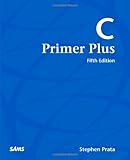
C Primer Plus is known for its detailed explanations, examples, and exercises, making the series a popular option for independent learners. The fifth edition shown here covers C99, including fundamental topics such as pointers. It is an older edition, so verify the edition before buying: later editions are available and provide more recent coverage.
- Best for: Readers who want a substantial, example-rich study guide.
- Level: Beginner to intermediate.
- Keep in mind: The fifth edition is not the latest; choose a newer edition if you want more current coverage.
5. Expert C Programming: Deep C Secrets — Peter van der Linden
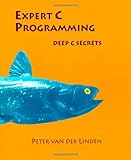

This entertaining, technically detailed book explores C’s quirks, pointers, arrays, declarations, and the relationship between C and the systems it runs on. It assumes that you already understand the basics, so it is not a first book. Its perspective reflects the computing environment of its time; read it for deeper insight, not as a guide to every current standard or practice.
- Best for: Programmers who know the fundamentals and want to deepen their understanding.
- Level: Intermediate to advanced.
- Keep in mind: Pair its historical examples and advice with current documentation where needed.
Which book should you choose?
If you are choosing your first C book, start with a beginner-focused text such as King’s C Programming: A Modern Approach or a suitable recent edition of C Primer Plus. Readers who are completely new to programming may prefer the gentler approach of Absolute Beginner’s Guide to C, while recognizing that the listed edition is older.
Once you understand the basics, K&R is a concise classic to study carefully, and Expert C Programming is a useful next read for exploring C’s deeper details. Before purchasing, confirm the edition and its C-standard coverage; a book’s age does not make its fundamentals useless, but it can affect how well it reflects modern language features.
Free ways to learn C
You do not have to buy a book to begin. Free tutorials and other learning materials can help you practice the fundamentals, compare explanations, and find reference material. Choose resources that identify the C standard they cover, and compile and test the examples yourself. Browse these free C tutorials for additional learning options.
Whichever route you choose, write programs as you read. Work through exercises, compile with a modern compiler, and pay attention to warnings. Regular practice will help turn concepts such as pointers, functions, and memory management into skills you can use confidently.
Conclusion
The best C books depend on your experience and learning style. For a systematic foundation, consider King or a current edition of Prata; for a beginner-friendly start, Perry’s guide may help, though its listed edition is dated. K&R and van der Linden are valuable classics for readers ready to go further, provided you supplement them with up-to-date references. Once you are comfortable with C, explore these best C++ books as a possible next step. For more reading recommendations, see programming books.